
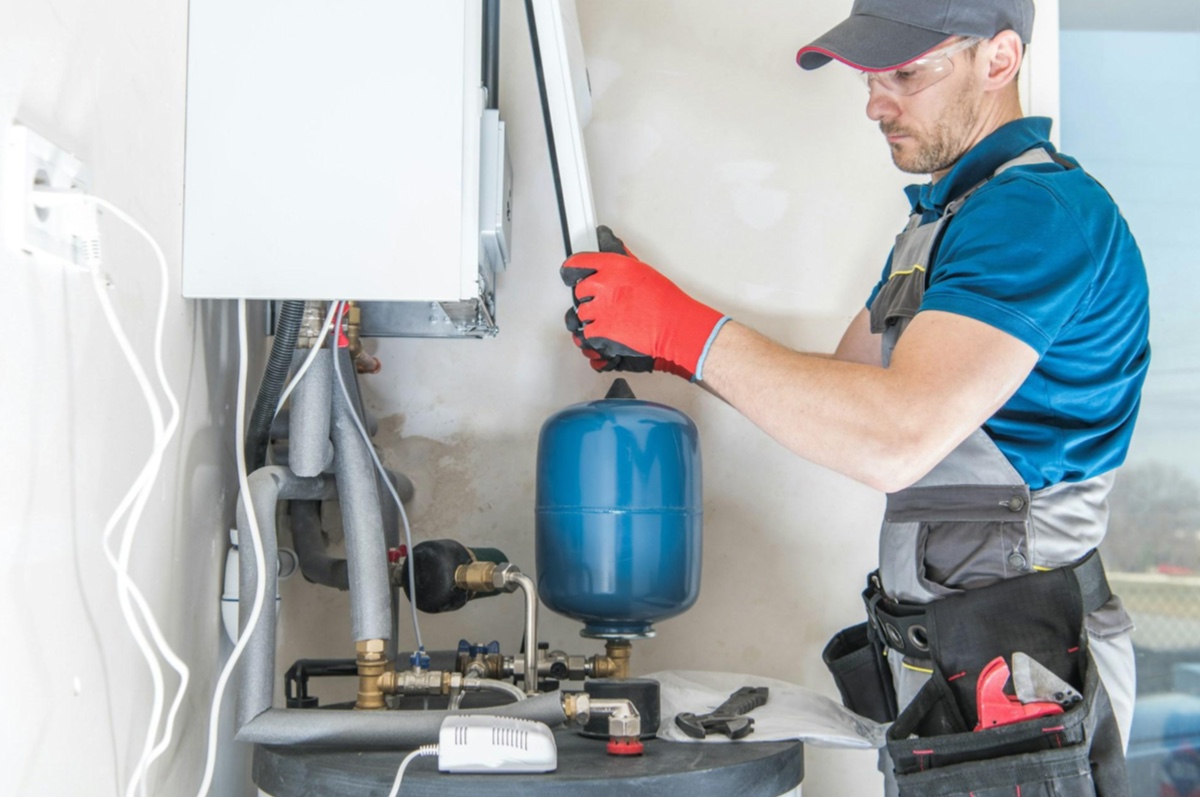
Home renovations across Vancouver have become increasingly ambitious over the past several years. Homeowners are investing heavily in modern kitchens, spa-inspired bathrooms, basement suites, energy-efficient upgrades, and open-concept living spaces designed to improve both comfort and property value. At the same time, many renovation projects are revealing hidden infrastructure problems that often remain unnoticed until construction is already underway.
Behind new tile, cabinetry, fixtures, and interior finishes, aging plumbing systems continue creating challenges for homeowners throughout the region. Older piping materials, hidden leaks, drainage issues, water-pressure inconsistencies, and outdated connections are becoming more common concerns as Vancouver’s housing stock continues aging.
As renovation costs rise, homeowners are becoming far more proactive about inspecting plumbing systems before problems escalate into larger structural or financial issues.
Renovations Often Reveal Hidden Plumbing Problems
Many plumbing issues remain invisible for years. Pipes hidden behind walls, beneath flooring, or inside ceilings may slowly deteriorate without creating immediate warning signs. Small leaks, corrosion, improper drainage slopes, aging shut-off valves, and outdated plumbing materials often go unnoticed until renovation work exposes them.
For homeowners investing substantial money into remodeling projects, discovering major plumbing problems halfway through construction can quickly disrupt budgets and timelines.
This is one reason many property owners now consult a Vancouver plumber early in the renovation process. Companies including Armacom help homeowners assess plumbing infrastructure before renovations begin, allowing potential issues to be identified before new flooring, drywall, fixtures, or cabinetry are installed. Preventive inspections are increasingly viewed as an important part of renovation planning rather than an optional step.
Vancouver’s Older Housing Stock Creates Additional Challenges
Many homes throughout Vancouver were built decades ago under very different construction standards than those used today. While older homes often provide architectural character and desirable locations, aging infrastructure frequently requires modernization to support contemporary living demands.
Older plumbing systems may struggle to accommodate modern appliances, upgraded bathrooms, high-efficiency fixtures, expanded kitchens, or secondary suites added during renovations.
In some properties, outdated piping materials may also increase the risk of corrosion, leakage, or reduced water quality over time. Renovation projects therefore often become opportunities to replace aging plumbing systems before larger failures occur.
As property values continue increasing throughout Metro Vancouver, homeowners are increasingly prioritizing long-term infrastructure reliability alongside cosmetic upgrades.
Water Damage Remains One of the Most Expensive Home Repair Issues
Water damage continues ranking among the most costly residential repair problems for Canadian homeowners. Even relatively minor plumbing failures can create extensive damage once water reaches flooring systems, insulation, drywall, cabinetry, or structural framing. Leaks hidden behind walls may also contribute to mould growth, air-quality concerns, and long-term structural deterioration if left unresolved.
Many homeowners now recognize that preventive plumbing maintenance can help reduce the likelihood of far more expensive emergency repairs later. Early inspections, drainage assessments, fixture upgrades, and pipe evaluations are becoming increasingly common during both major and minor renovation projects.
The Insurance Bureau of Canada continues emphasizing that water damage claims remain one of the fastest-growing sources of property insurance losses nationwide. As repair costs continue rising, preventive maintenance is becoming more financially important for homeowners across urban housing markets.
Modern Renovation Trends Are Increasing Plumbing Demands
Today’s renovation trends frequently place greater demands on residential plumbing systems than older homes were originally designed to support. Rainfall shower systems, oversized bathtubs, dual vanities, secondary kitchens, laundry additions, radiant heating systems, tankless water heaters, and smart plumbing technology all require careful infrastructure planning.
Open-concept renovation layouts may also involve relocating plumbing lines, rerouting drainage systems, or integrating upgraded water supply connections into older structures.
Without proper planning, these upgrades can place strain on outdated systems that were never designed for modern residential demands. Professional plumbing evaluations during the planning stage often help homeowners avoid expensive surprises later in the project.
Preventive Maintenance Is Becoming More Common
Another major shift involves changing homeowner attitudes toward preventive maintenance. In previous decades, many homeowners addressed plumbing only when visible problems appeared. Today, more property owners understand that proactive maintenance can help reduce long-term costs and operational risks.
Routine inspections, water-pressure testing, leak detection, sump pump evaluations, drain cleaning, and fixture assessments are increasingly becoming part of broader home-maintenance strategies. This shift reflects growing awareness that residential infrastructure directly affects both property value and day-to-day comfort.
As housing costs continue rising, homeowners are also becoming more focused on protecting existing investments rather than delaying repairs until systems fail completely.
Sustainability Is Influencing Plumbing Upgrades
Environmental concerns are also shaping modern plumbing decisions. Water-efficient fixtures, energy-saving appliances, leak-detection technology, and efficient hot-water systems are becoming more common throughout Vancouver homes.
Many renovation projects now prioritize both sustainability and long-term operational efficiency alongside aesthetics. Low-flow toilets, high-efficiency faucets, tankless water heaters, and smart monitoring systems can help reduce water consumption while improving system performance over time.
Municipal sustainability goals and growing environmental awareness are encouraging homeowners to think more carefully about how plumbing infrastructure affects resource consumption and long-term household efficiency.
Homeowners Want Greater Long-Term Reliability
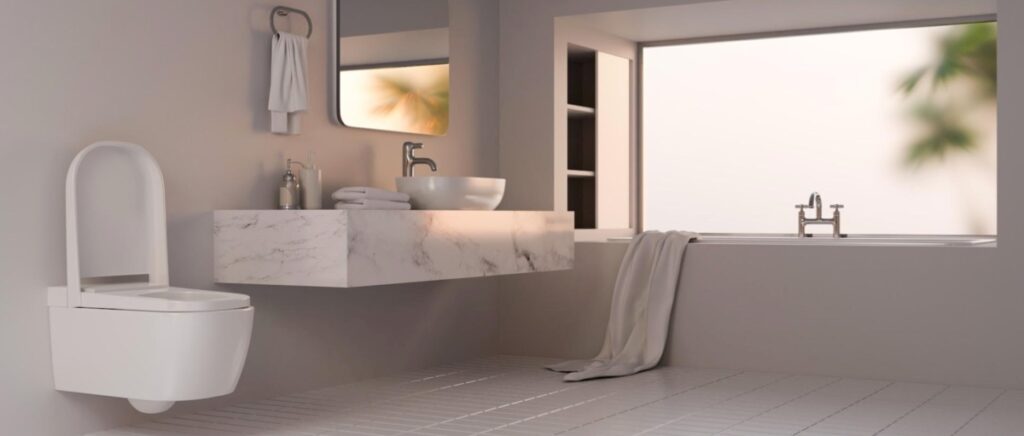
One major reason homeowners increasingly prioritize plumbing upgrades during renovations is simple peace of mind. Once walls are closed, flooring installed, and finishes completed, homeowners want confidence that critical infrastructure will remain reliable for years ahead.
Unexpected plumbing failures after renovations can be especially frustrating and expensive because repairs may require opening newly completed surfaces or removing finished materials.
Addressing aging infrastructure early often helps homeowners avoid repeated disruptions later while improving the overall lifespan of renovation investments. As Vancouver continues balancing aging housing stock with modern renovation trends, plumbing systems are becoming a much larger part of long-term home planning conversations.
Infrastructure Is Becoming Central to Modern Homeownership
Homeownership today involves far more than visual design alone. While kitchens, bathrooms, flooring, and finishes remain important, homeowners increasingly understand that reliable infrastructure forms the foundation of long-term comfort and property performance. Plumbing systems directly influence water efficiency, sanitation, comfort, energy use, maintenance costs, and structural protection throughout a home.
As renovation activity continues expanding across Vancouver, more homeowners are recognizing that investing in stronger infrastructure early often helps prevent far larger complications later. In many cases, the most valuable upgrades are not always the most visible ones.



Comments are closed