

In high-activity cities, physical strain is often part of everyday life. Long commutes, recreational sports, physically demanding jobs, and an emphasis on staying active all place ongoing demands on the body. Over time, many people begin looking for professional support to manage pain, recover from injury, or maintain mobility. In that search, finding a great physiotherapist in Vancouver often comes down to understanding what separates truly effective care from more generic treatment experiences.
Physiotherapy is not a one-size-fits-all service. The quality of care depends heavily on the practitioner’s training, assessment process, and ability to adapt treatment to an individual’s lifestyle. In a city where movement is central to daily routines, these distinctions matter even more.
Credentials and Professional Standards
Physiotherapy is a regulated healthcare profession in Canada, meaning practitioners must complete accredited education and maintain registration with provincial regulatory bodies. This baseline ensures that licensed physiotherapists meet established standards for safety, ethics, and clinical competence.
Beyond licensure, many physiotherapists pursue additional certifications in areas such as sports rehabilitation, orthopaedic manual therapy, or post-surgical recovery. These specialisations can be particularly relevant in high-activity environments, where injuries are often complex and tied to repetitive movement or performance demands.
According to the Canadian Physiotherapy Association, physiotherapy plays a key role not only in injury recovery but also in improving movement efficiency and preventing future issues through evidence-informed care. This reinforces the importance of choosing practitioners who engage with current clinical research rather than relying solely on routine protocols.
Thorough Assessment Over Quick Fixes
An effective physiotherapy experience begins with a detailed assessment. Rather than focusing only on where pain is felt, skilled physiotherapists examine movement patterns, joint mechanics, muscle balance, and lifestyle factors that contribute to symptoms.
In active cities, injuries often develop gradually rather than from a single incident. A thorough evaluation helps identify these underlying contributors, allowing treatment to address root causes instead of providing short-term symptom relief alone.
Individualised Treatment Planning
Treatment that feels generic rarely delivers lasting results. High-quality physiotherapy adapts techniques to the individual, accounting for their activity level, recovery goals, and daily demands. What works for a recreational runner may not suit someone recovering from a workplace injury or managing chronic joint pain.
Individualised plans typically combine hands-on techniques with guided exercises and education. This balanced approach supports recovery while helping patients understand how to move more efficiently and safely in their everyday lives.
Communication and Patient Involvement
Clear communication is a key indicator of effective physiotherapy. Practitioners who explain findings, outline treatment goals, and discuss expected progress help patients feel informed rather than passive. This transparency encourages engagement and improves adherence to recommended exercises or movement modifications.
In busy urban environments, where schedules are tight and stress levels high, collaborative care that respects time constraints and personal priorities can significantly influence outcomes.
Accessibility and Continuity of Care
Practical considerations also shape the physiotherapy experience. Convenient location, appointment availability, and continuity with the same practitioner all contribute to consistent progress. In cities with active populations, many individuals benefit from ongoing care rather than isolated sessions, making accessibility an important factor.
Some clinics also support continuity through digital exercise programs or follow-up resources, helping patients stay on track between visits.
Manual Therapy and Movement-Based Care
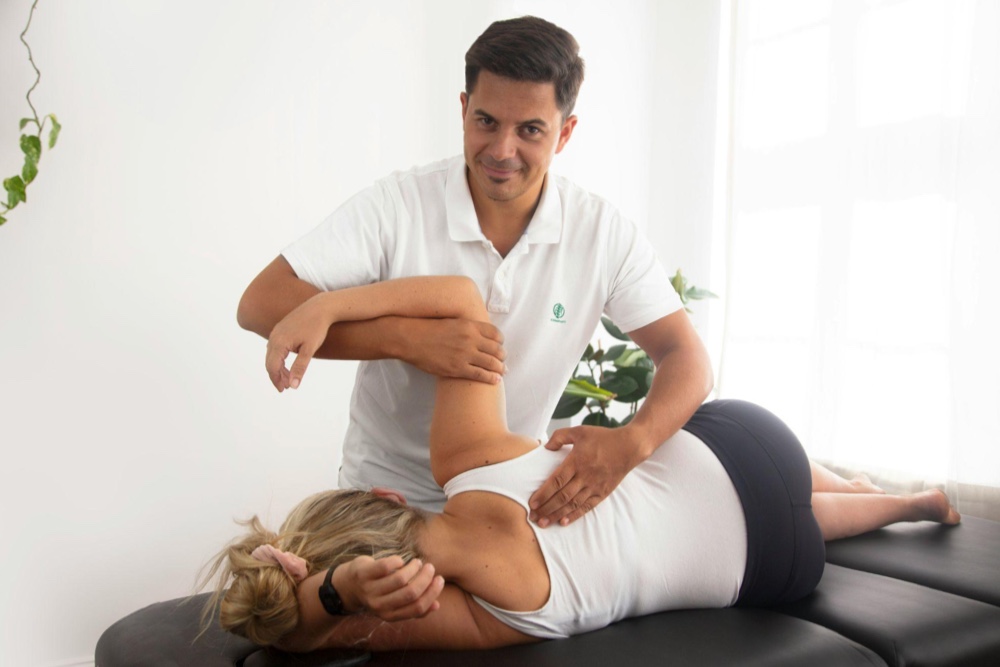
Physiotherapy encompasses both hands-on treatment and active rehabilitation. Manual techniques can help reduce pain and restore joint movement, while exercise-based therapy builds strength, stability, and long-term resilience.
The most effective practitioners adjust this balance over time, gradually shifting focus toward self-management as recovery progresses. This approach supports independence rather than reliance on repeated treatment.
Prevention as Part of Treatment
In high-activity cities, physiotherapy is often as much about prevention as recovery. Education around posture, warm-up strategies, load management, and recovery routines helps reduce the likelihood of recurring injury.
This preventative perspective aligns with modern physiotherapy practice, which emphasises sustainable movement habits rather than reactive care alone.
Choosing With Confidence
Selecting a physiotherapist is ultimately about alignment, between expertise, communication style, and individual needs. When credentials, assessment quality, evidence-informed practice, and patient engagement come together, physiotherapy becomes a collaborative process that supports long-term physical wellbeing.
In environments where staying active is central to quality of life, making an informed choice about physiotherapy care can help people move with confidence, manage physical demands, and maintain participation in the activities that matter most.


Comments are closed